

Rugged Natural Joint Support Overview
Educational insights into durable plant-based ingredients for men's general resilience and joint durability in demanding active lifestyles
What We Know About Rugged Natural Complexes for Joints
Scientific research has examined the role of hardy plant-based compounds in supporting the body's natural functions during demanding physical activity. Natural complexes derived from alpine and rugged environments contain bioactive compounds that have been studied for their potential to contribute to overall resilience and durability.
These plant materials represent centuries of traditional use in mountainous regions where people engaged in physically demanding work. The botanical compounds found in hardy plants have been the subject of nutritional research examining their role in maintaining general wellness during active lifestyles.
Understanding the composition and background of natural ingredients helps individuals make informed decisions about their nutritional support during demanding life pursuits.
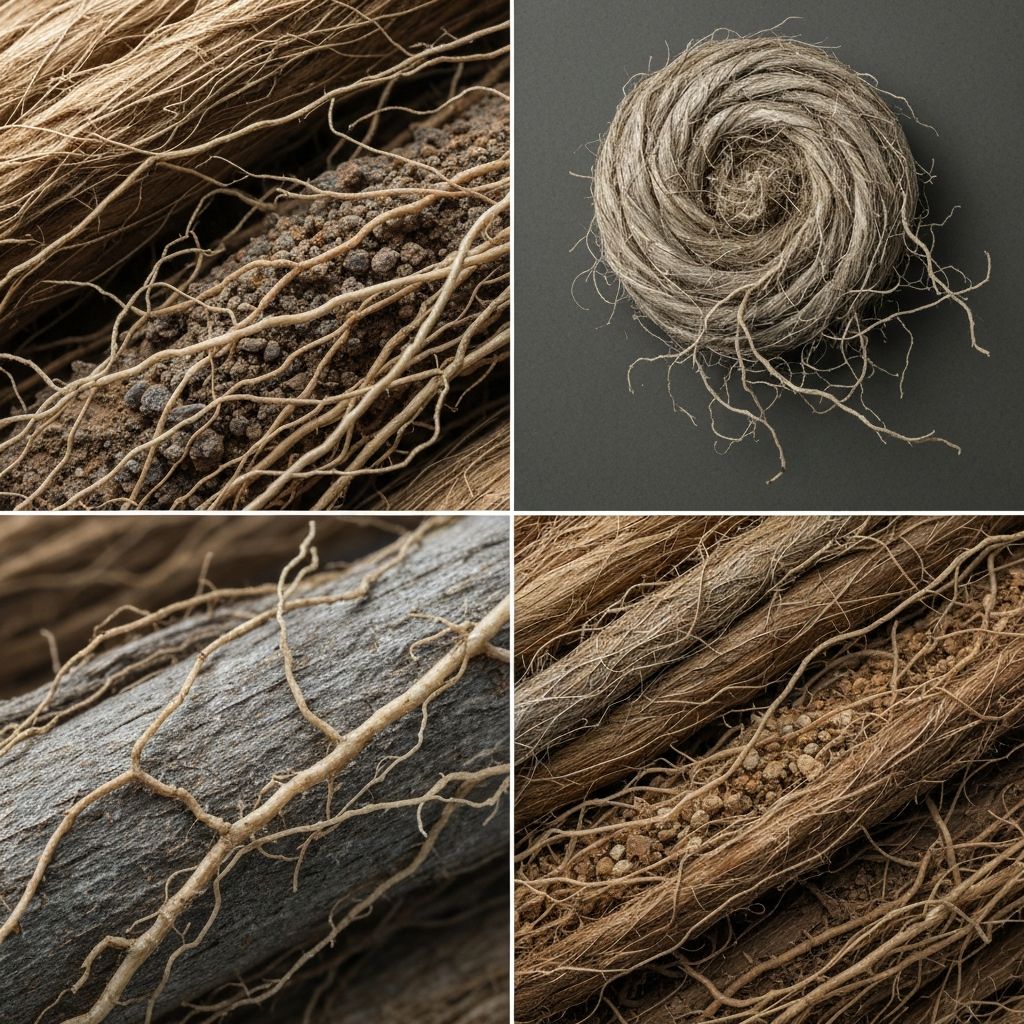
The Role of Plant Compounds in Supporting Endurance
Plant-derived compounds contain a variety of bioactive constituents that researchers have investigated for their nutritional support during high-demand activities. These natural substances work within the body's own biological systems to provide foundational support for ongoing resilience.
The scientific literature documents how certain botanical ingredients may help maintain the body's natural adaptive responses to physical stress. Plants that have evolved in harsh alpine environments naturally develop robust compound profiles that reflect their own durability requirements.
Nutritionists and researchers continue to examine how these plant materials might support the body's own mechanisms for maintaining endurance capacity and general physical resilience during demanding pursuits.
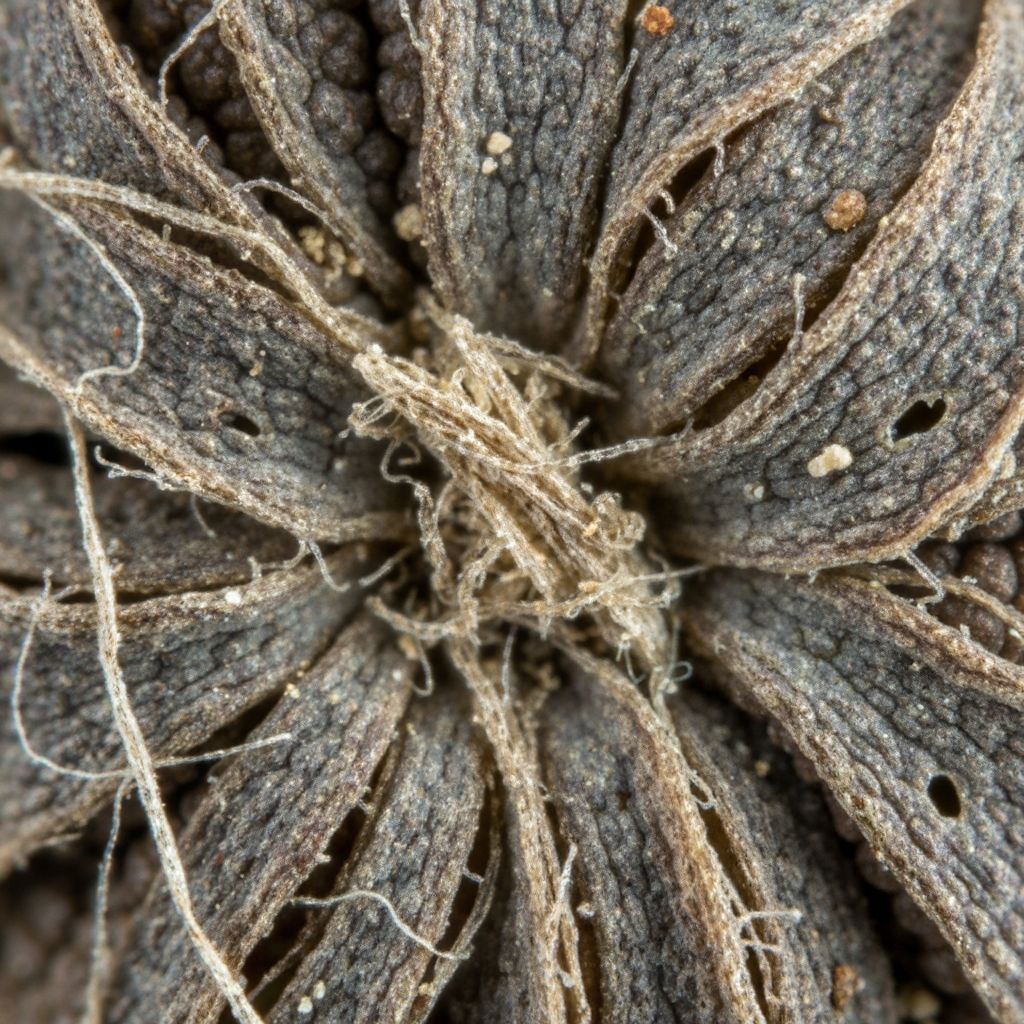
Alpine Traditions: Hardy Herbs in Severe Mountain Conditions
Alpine regions have long been inhabited by people engaged in physically demanding work. The natural vegetation that thrives in these harsh conditions represents thousands of years of biological adaptation to extreme environments. Local inhabitants have traditionally incorporated these hardy plants into their daily nutritional practices.
The herbs and plants found in Alpine valleys demonstrate exceptional durability—traits that may be reflected in their botanical composition. Traditional practices in Austria's mountain communities showcase knowledge accumulated across generations about supporting active, demanding lifestyles using available natural resources.
Modern research continues to examine how these traditional practices align with contemporary nutritional science, validating the historical wisdom of Alpine communities regarding natural botanical support.
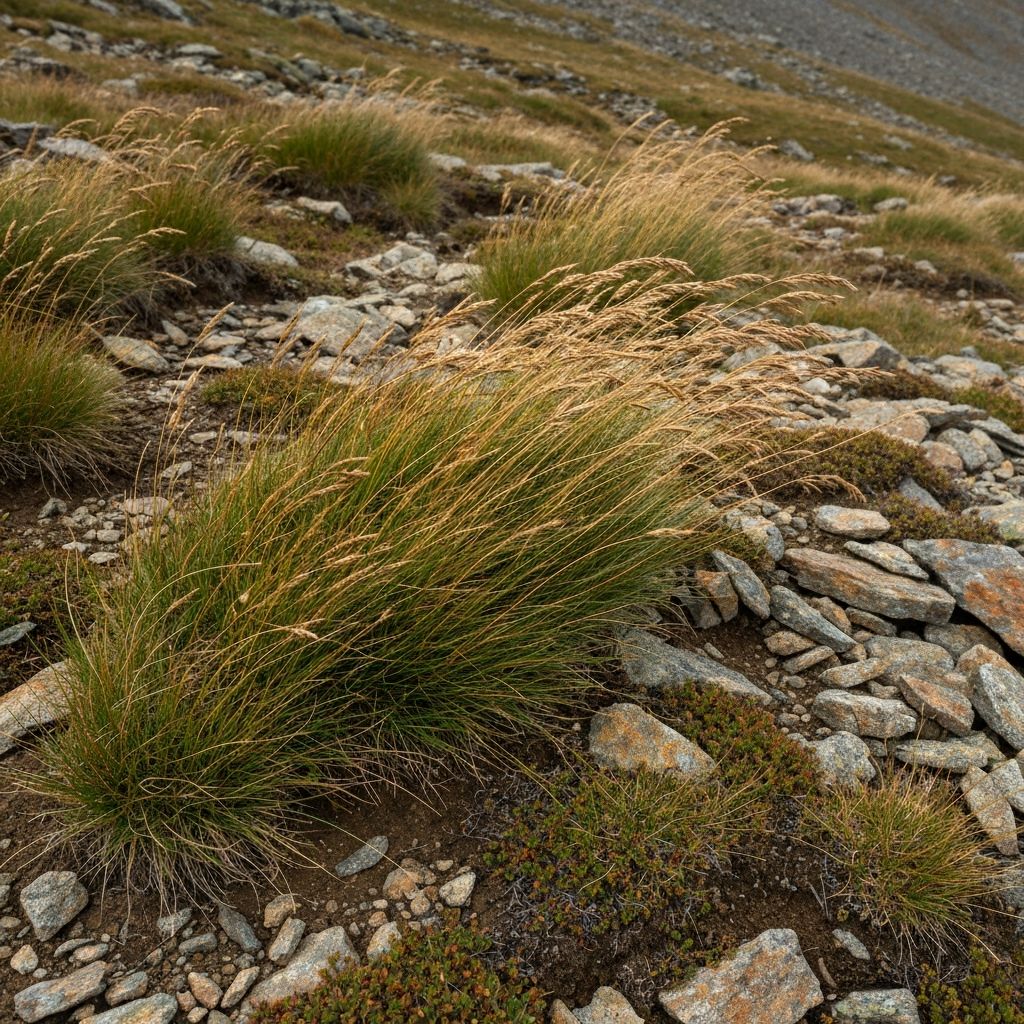
How High Physical Demands Influence Nutritional Needs
The human body responds to high physical demands by increasing its requirements for specific nutrients and bioactive compounds. During intense activity, muscles and connective tissues require enhanced support for recovery and continued durability. Understanding these nutritional demands helps explain why people engaged in demanding pursuits have historically sought specialized plant-based support.
Research into exercise physiology reveals that demanding activities increase the body's need for compounds that support inflammation management, energy production, and tissue resilience. This is particularly relevant for individuals maintaining active mountain lifestyles where physical exertion is continuous and intense.
The selection of specific botanical ingredients for nutritional support reflects this understanding of how physical demands translate into concentrated nutritional requirements.

Scientific Investigation of Botanical Components for Resilience
Contemporary scientific research has begun to investigate the specific compounds present in hardy mountain plants that may contribute to physical resilience. Rigorous studies examine how bioactive molecules in these plants interact with the body's natural systems to support endurance and overall wellness.
Research methodologies now allow scientists to identify, isolate, and test specific plant constituents. This work has revealed that many Alpine plants contain high concentrations of compounds with known biological activity—compounds that have been consumed traditionally for generations.
The scientific validation of traditional practices through modern research methods creates an evidence-based framework for understanding why certain plants have been valued in mountain communities for centuries.
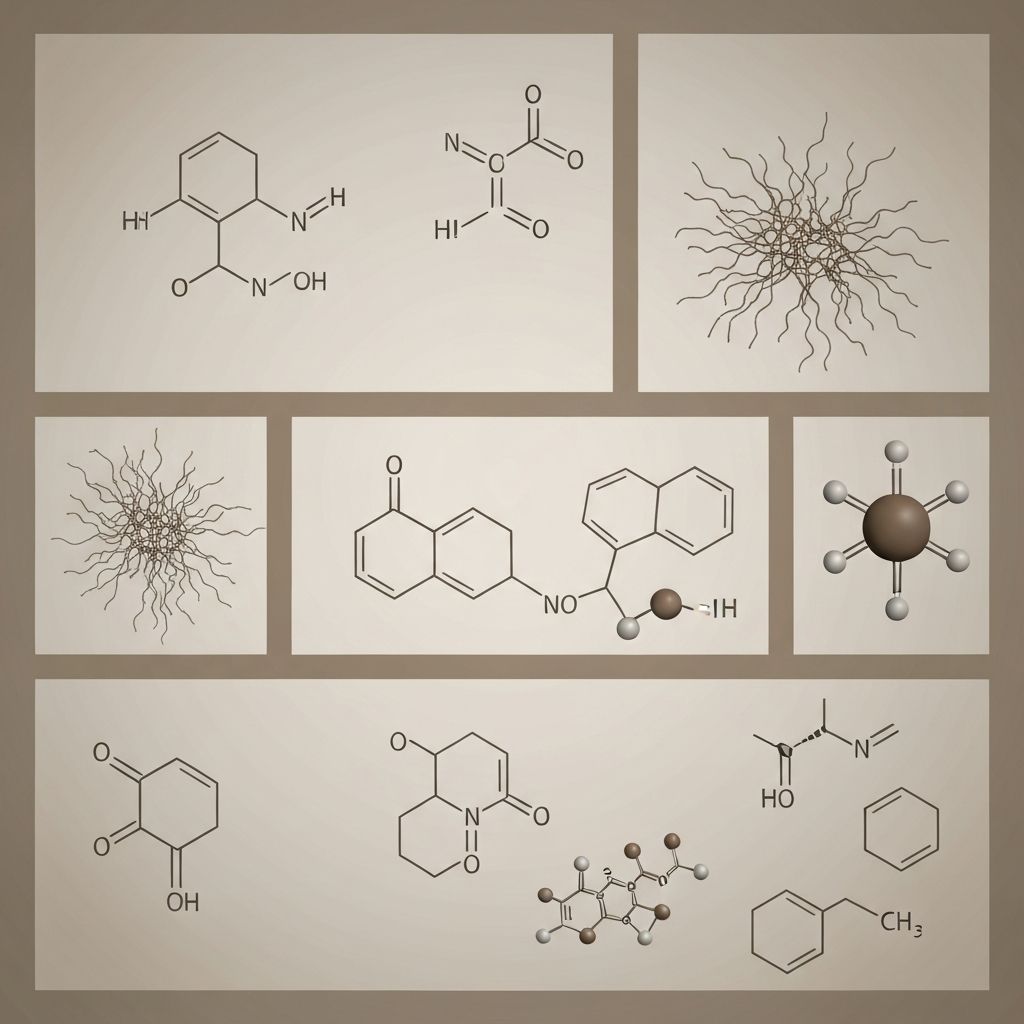
Examples of Natural Ingredients with Rugged Structure
Specific plant materials found in Alpine regions demonstrate particular structural resilience that correlates with their bioactive compound content. These ingredients represent the foundation of traditional rugged natural complexes designed to support demanding lifestyles.
Plants such as hardy mountain roots, resilient alpine flowers, and durable plant materials naturally concentrate protective compounds as an evolutionary adaptation to harsh conditions. This biological reality explains why these particular plants have become central to traditional and modern botanical formulations.
The botanical families most commonly researched for resilience support include root systems with deep penetration, flowering plants that thrive in extreme cold, and materials known for their robust cellulose structures. Each category contributes unique beneficial compounds to comprehensive natural formulations.